
Loading...
Serving Vallejo, CA and surrounding areas. (707) 917-3843
VJM Vallejo Masonry provides masonry contractor services in Richmond, CA, handling foundation repair, tuckpointing, brick restoration, and retaining wall work for the city’s large stock of postwar bungalows, Point Richmond Victorians, and East Bay properties, and we reply to all inquiries within 1 business day. We have served Richmond and the surrounding East Bay since 2020, and we understand the clay soil conditions, seismic risk, and aging housing stock that drive masonry needs throughout the city.
VJM Vallejo Masonry provides masonry contractor services in Richmond, CA, handling foundation repair, tuckpointing, brick restoration, and retaining wall work for the city’s large stock of postwar bungalows, Point Richmond Victorians, and East Bay properties, and we reply to all inquiries within 1 business day. We have served Richmond and the surrounding East Bay since 2020, and we understand the clay soil conditions, seismic risk, and aging housing stock that drive masonry needs throughout the city.
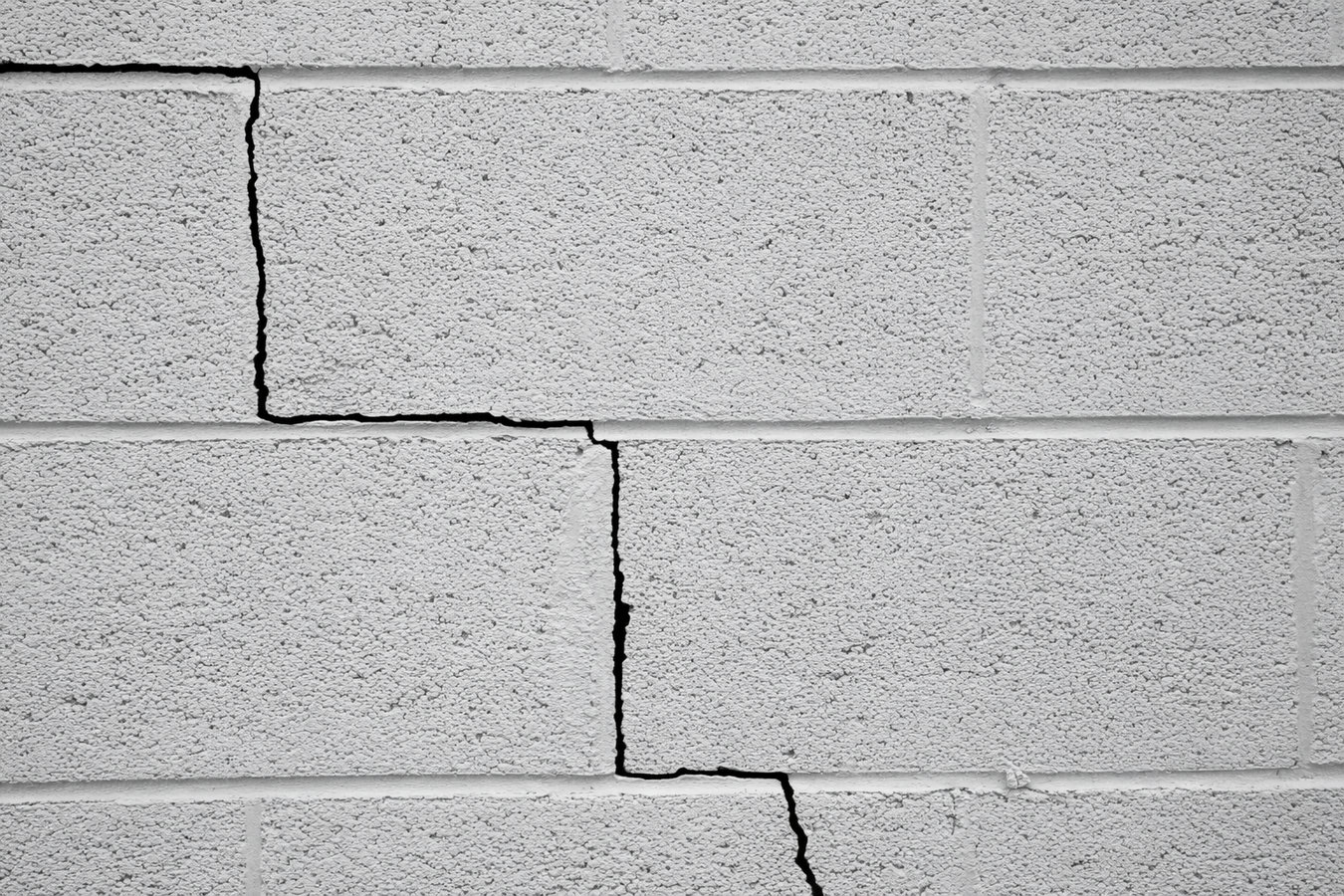
Richmond’s large inventory of pre-1960 homes - many built during the wartime shipyard boom with materials and methods that are now seven or eight decades old - means foundation repair is one of the most common calls we receive in this city. The expansive clay soil throughout the East Bay accelerates the stress on these older foundations year after year. Our foundation repair work addresses cracks, settlement, and structural movement in both the original concrete foundations common in the postwar homes and the older masonry foundations found in Point Richmond.
Point Richmond’s Victorian and craftsman homes have brick and stone elements where mortar joints have been exposed to Bay moisture and mild freeze cycles for over a century. Deteriorating mortar allows water behind the brick face, which causes spalling and structural weakening that a fresh mortar joint could have prevented for a fraction of the cost.
The older homes in Point Richmond and the Iron Triangle have brick chimneys, columns, and steps that are carrying decades of Bay Area weather. Matching brick on historic Richmond properties is not simple - the color, texture, and profile of bricks from the early 1900s differs from what is on a shelf today, and getting that match right matters on homes this visible and this old.
The sloped lots on Richmond’s hillside neighborhoods and the properties along the eastern rises above the waterfront need retaining walls that can handle both the wet-season soil pressure and the seismic loading that the Hayward Fault corridor creates. A retaining wall built without seismic design considerations in this zone is a project that may need to be redone.
The clay soil that runs through much of Richmond heaves concrete driveways and sidewalks over time as it swells in winter and contracts in summer. Paver systems tolerate that movement better than a solid concrete slab - individual pavers shift and settle without a full-width crack running across the surface, and damaged sections can be re-leveled without tearing out the whole driveway.
Point Richmond has some of the most architecturally detailed masonry in Contra Costa County - Victorian-era homes with original brick and stone details that need restoration, not replacement. Using the wrong mortar or the wrong technique on these homes causes more damage than the original deterioration. We use period-appropriate mixes and methods on properties where the original work is worth preserving.
Richmond grew fast during World War II. The Kaiser Shipyards drew workers from across the country, and the city built housing quickly to keep up - small bungalows, ranch-style homes, and modest two-story houses that went up in the 1940s and 1950s and were not built with the lifespan concerns of a modern custom home. That speed shows up in masonry work today: foundations that are thinner than current code, brick chimneys that were not built with modern seismic anchoring, and mortar joints in original brick work that have had 75 or more years to deteriorate. A contractor who treats a Richmond bungalow the same way they would treat a 2005 stucco house is working from the wrong starting point.
The Hayward Fault runs through the East Bay, and Richmond sits within its zone of elevated seismic risk. This is not a distant concern - the USGS estimates a significant probability of a major rupture on the Hayward Fault in the coming decades. Pre-1970 homes in Richmond typically lack the cripple wall bracing and foundation bolting that reduce damage in a major quake. On top of seismic risk, the clay soils throughout the East Bay swell and shrink with the seasons, and Richmond’s average of 20 to 22 inches of rain - most of it concentrated between November and March - keeps that cycle active. For older Richmond homes, these two forces together are the main reason masonry problems compound rather than stabilize over time.
Our crew works throughout Richmond regularly, and we understand the local conditions that affect masonry contractor work here. The range of housing in Richmond is wider than most cities our size - Point Richmond has Victorian and craftsman homes with original late-1800s masonry that requires historically sensitive repair, the Iron Triangle and neighborhoods near downtown have dense blocks of postwar bungalows where nearly every brick chimney is now past its typical service life, and the Hilltop area on the eastern side of the city has a newer housing stock from the 1970s through 1990s that is hitting the age where concrete flatwork and older retaining walls are starting to show their years. We have worked in all of these neighborhoods and understand what each type of property needs.
Richmond is easy to orient around a few anchors most residents know well. The Rosie the Riveter / World War II Home Front National Historical Park sits near the waterfront and draws visitors from around the Bay, while Point Richmond’s small main street and Victorian streetscape at the western tip of the city feels like a different era entirely. The Richmond BART station serves as a daily reference point for thousands of commuters heading to San Francisco and Oakland. We know the city well enough to know which neighborhoods have the heaviest clay concentrations, which streets have the oldest brick work, and where permit applications through the City of Richmond Building Services Division typically run longest.
We regularly serve neighboring cities when we are working in Richmond. Homeowners in San Pablo to the north and El Cerrito to the south reach out regularly, and we cover that full corridor along the I-80 and San Pablo Avenue corridor without issue.
Reach us by phone or the contact form and describe what you are seeing. We reply to every Richmond inquiry within 1 business day to get an on-site visit on the calendar.
We come to your property and look at the full picture - not just the crack you called about. On older Richmond homes, that means checking the foundation condition, the chimney, and any retaining walls or flatwork that may be showing early stress. The written estimate lays out a firm price before any work starts, with no surprise charges.
We schedule at a time that works for you. Most Richmond homeowners do not need to stay home during the work - we coordinate access in advance and let you know if any step requires your presence on site.
When the work is done we walk through the finished project with you, explain what was repaired and why, and answer any questions about keeping things in good shape going forward. We clean up completely before we leave.
We serve all of Richmond - from Point Richmond Victorians to Hilltop ranches to Iron Triangle bungalows. No pressure, no obligation - just an honest look at what your property needs.
(707) 917-3843Richmond is a city of about 115,000 people on the eastern shore of San Francisco Bay in Contra Costa County, roughly 15 miles northeast of San Francisco. The city is best known today for its industrial waterfront and the Rosie the Riveter National Historical Park, which honors the women and workers who built ships at the Kaiser Shipyards during World War II - a period that defined the city’s character and most of its housing stock. The neighborhoods range from Point Richmond at the western tip of the city, a Victorian-era district with bay views and a small-town atmosphere, to the Iron Triangle near downtown, to the quieter ranch-house streets of the Hilltop area on the eastern edge.
Richmond has a genuinely diverse housing stock that reflects more than a century of development. Point Richmond’s historic homes date to the late 1800s and early 1900s, the majority of the city’s residential neighborhoods were built during the 1940s and 1950s shipyard boom, and the Hilltop area reflects the tract home development of the 1970s through 1990s. About half of the city’s housing units are owner-occupied, and many families have lived in Richmond for generations. The city neighbors San Pablo to the north and El Cerrito to the south, two cities we also serve and where the housing conditions are similarly shaped by Bay Area clay soils and an aging mid-century housing stock.
Restore structural stability and stop foundation damage before it worsens.
Learn MoreBuild retaining walls that control erosion and define your landscape.
Learn MoreInstall block wall foundations engineered for strength and durability.
Learn MoreConstruct classic brick walls that add timeless character to any property.
Learn MoreCall us today or send a request online - we reply to every Richmond inquiry within 1 business day and can usually get your estimate scheduled within the week.