Loading...
Serving Vallejo, CA and surrounding areas. (707) 917-3843
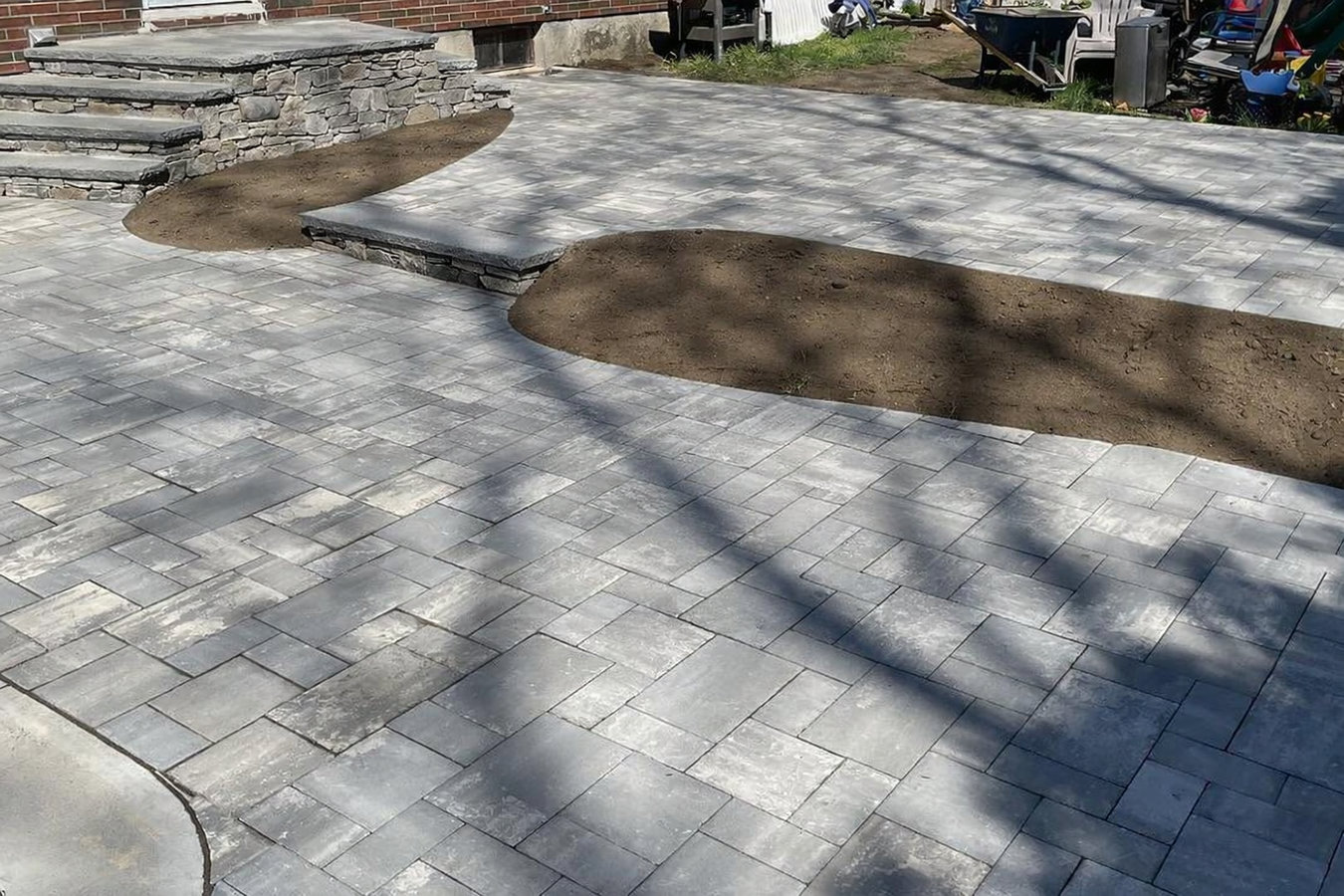
Cracked slabs, uneven surfaces, and pooling water are signs your current path has failed. We build new walkways with the deep gravel base and proper drainage Vallejo's clay soil demands.
Walkway construction in Vallejo means digging out the existing ground, compacting a stable gravel base, and installing a concrete, paver, or brick surface that drains away from your home and holds up through the seasonal wet-dry cycle; most standard residential paths take one to two days of work plus a permit review period.
Many homeowners in Vallejo are dealing with original paths from the 1950s and 1960s that were installed without adequate base preparation, and those old slabs have been slowly losing the battle with the local clay soil ever since. If your path rocks underfoot, drains the wrong direction, or has cracks that keep coming back no matter how many times you patch them, the issue is below the surface. A new walkway built on the right foundation is a different product entirely - one that does not require revisiting in three years. If you are also planning a new driveway, our driveway pavers service can be coordinated with walkway work on the same visit.
The Portland Cement Association and the Americans with Disabilities Act accessibility guidelines both offer technical guidance on concrete flatwork and safe path design. For Vallejo homeowners, those standards combine with local soil and seismic conditions that require extra attention at the base preparation stage.
If you notice cracks that seem to grow a little wider each year, the base underneath has shifted and is not coming back. In Vallejo, the clay soil expands and contracts with every wet and dry season, and over time that movement breaks down older concrete from below. Patching surface cracks on a failing base is a short-term fix - eventually the whole walkway needs to come out and be rebuilt properly.
Walk your current path slowly and pay attention to whether any sections wobble or tilt. Uneven slabs are a tripping hazard for children and older adults, and they tend to get worse rather than better over time. This kind of settling is especially common in Vallejo homes built before 1980, where the original base prep often did not account for local soil conditions.
After a rain, watch where the water goes. If it collects on the walkway surface or puddles right next to your foundation, the path is no longer draining the way it should. Standing water accelerates surface deterioration and, over time, can work its way toward your foundation - a much more expensive problem to address.
Some older Vallejo homes have original walkways built to a narrower standard - sometimes only 24 to 30 inches wide. If guests regularly end up walking on the lawn instead, the walkway is not doing its job. A new path designed to today's width standards makes a real difference in how your home feels to approach and is safer for everyone using it.
We handle the full scope of residential walkway work: removal of the existing path, excavation and gravel base compaction, formwork, installation of your chosen surface material, control joint cutting, and site cleanup. Every concrete walkway gets properly placed control joints - the intentional lines you see running across the surface - so the slab has somewhere to flex without cracking in random spots. For homeowners who want more than standard concrete, we also build paver and brick paths that can be individually replaced if a single unit ever shifts or cracks. Our brick wall installation service pairs naturally with brick walkway projects when you want a consistent material throughout the front yard.
When a driveway replacement is also on your list, our driveway pavers service uses the same base preparation approach and can often be scheduled alongside a walkway project to save on mobilization costs. We pull all required permits through the City of Vallejo Building Division and keep you informed at each step.
The most durable and low-maintenance option. Well-suited to homeowners who want a clean, solid surface that holds up through Vallejo's wet winters without ongoing maintenance.
Individual concrete or clay paver units set in a compacted sand bed. Good for homeowners who want a decorative look and the ability to swap out damaged units without replacing the whole path.
Classic clay brick set on a compacted base with mortared or sand-set joints. Popular on older Craftsman and Victorian-era Vallejo homes where the character of brick complements the home's style.
Irregular stone pieces set in a mortar or gravel bed. Suits homeowners who want a natural, informal look for a garden path or side yard route.
Two local factors make walkway construction in Vallejo more demanding than it would be in most parts of the country. The first is the clay soil. Much of the city sits on expansive clay that swells when it absorbs rain and shrinks back when it dries out. That seasonal movement is relentless, and it is the main reason so many older Vallejo paths have cracked and settled over the decades. Addressing it requires digging deeper than a contractor in a stable-soil market would bother with, using a thicker gravel base, and cutting control joints in the right locations so the surface has room to flex. The second factor is seismic activity. Vallejo sits in an active region of the North Bay, and even minor tremors add cumulative stress to concrete over time. A well-built base that absorbs and distributes movement is the answer to both problems. Homeowners in Benicia and Martinez share similar soil and seismic conditions, and we bring the same base preparation standards to every job across the region.
Vallejo's Mediterranean climate adds a scheduling dimension too. Most of the city's rain falls between November and March, and concrete does not cure properly in cold, wet conditions. Booking a walkway installation between April and October gives your new path the best chance to set fully before the first heavy rain arrives. Many Vallejo homes - particularly the Craftsman bungalows and mid-century ranches that make up a large share of the city's housing stock - have walkways that are now 50 to 80 years old. Removing that old material and replacing it with a properly built path is often the most cost-effective thing a homeowner can do to improve both safety and curb appeal at the same time.
Tell us roughly how long the path is, what material you are considering, and whether there is an existing walkway to remove. We respond within one business day and schedule an on-site visit - because a phone quote for a walkway is never as accurate as an in-person look at your yard.
We walk the path with you, measure the area, and look at drainage and soil conditions. You get a written estimate that breaks down labor, materials, and removal costs separately. This is also a good time to ask about material options and finish textures.
If your project needs a permit from the City of Vallejo - common when the path connects to a public sidewalk or involves drainage changes - we handle the application. Permit review typically adds a week or two to the timeline. Once it is approved, we confirm your start date.
We remove the old walkway, excavate to the correct depth, compact the gravel base, and install your chosen surface. After the work is done we walk the finished path with you before leaving. Concrete needs 24 to 48 hours off-limits for foot traffic, and we will tell you exactly when it is safe.
No obligation. We visit your property, assess the ground conditions, and give you a written estimate before any work begins.
(707) 917-3843The surface material on a walkway is only as good as what is underneath it. We dig to the correct depth for Vallejo's clay soil, compact the gravel base in layers, and cut control joints where the concrete needs them. That preparation is the difference between a path that lasts 30 years and one that needs attention in three.
We pull permits through the City of Vallejo Building Division on every project that requires one, and we handle the paperwork ourselves. That means your new walkway is inspected, on record, and documented - useful protection when you sell your home or need to make a warranty claim down the road.
We visit your property before giving you a number, because site conditions - slope, drainage, what is currently underneath - make a real difference in cost. You get a written estimate that breaks out labor, materials, and removal so you know exactly what you are agreeing to. No surprises at the end of the job.
We have worked on walkway projects across Vallejo, Benicia, Martinez, and the surrounding area long enough to understand what the local clay soil and seismic conditions require. The Mason Contractors Association of America sets the trade standards we follow, and local experience fills in the rest.
Every one of those points matters more in Vallejo than in most markets. The combination of clay soil, a seismically active region, and an older housing stock means walkway work here requires a contractor who has seen those conditions on real jobs - not one who is applying a generic approach and hoping it holds up. The Mason Contractors Association of America provides the industry standards our team follows on every project.
Permanent brick walls for yard boundaries, garden borders, and retaining applications - built on reinforced footings and engineered for Vallejo's seismic zone.
Learn MoreInterlocking paver driveways installed with the same deep-base approach used for walkways, built to handle Vallejo's clay soil movement season after season.
Learn MoreSpots fill up quickly before the rainy season - reach out now and we will walk your property, explain your options, and give you a written quote with no obligation.